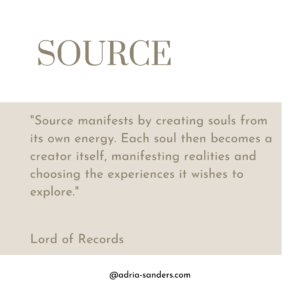

If souls are eternal and limitless, why would any soul choose a life filled with grief, illness, loneliness, or struggle? These are questions explored in the Lessons of the Soul from the Lord of Records.
As human beings, we naturally long for happiness, love, safety, and fulfillment. Yet many of us find ourselves facing pain, loss, illness, disappointment, and the constant awareness of our own mortality. It feels unfair. The idea that we might have chosen such a path before birth can be difficult to accept, and for some, it may even sound absurd.
After all, why would anyone willingly choose suffering?
Through my conversations with the Lord of Records, I encountered a different perspective.
According to him, the soul, being immortal, is not primarily seeking comfort. It is seeking experience, diversity, and expansion of consciousness. From the soul’s perspective, growth comes not only through joy and abundance but also through challenge, contrast, and transformation.
A soul may choose to experience life in many different environments, circumstances, and roles. Diversity does not mean living only peaceful and comfortable lives. It may also involve experiencing struggle and uncertainty, exploring different realities, and seeing existence from vastly different perspectives.
The Lord of Records suggests that souls are interested in understanding life from all sides. One lifetime may offer the experience of privilege, another of hardship. One may explore power, another vulnerability. Through these varied experiences, consciousness expands and gains a richer understanding of itself.
From this perspective, life’s challenges are not intended as punishment. Rather, they are opportunities for growth, insight, and evolution. Situations that appear tragic or unfair from a human viewpoint may carry deeper lessons when viewed from the perspective of the soul.
This does not mean suffering should be glorified, nor does it mean we must enjoy our struggles. As human beings, pain is real. Loss is real. Grief is real. But perhaps these experiences can also become catalysts for compassion, wisdom, resilience, and transformation.
This raises an interesting question:
What challenge in your life ultimately changed you for the better? What lesson might your soul have been exploring through that experience?
Perhaps it was:
Why did I go through a divorce?
Why did I lose someone I deeply loved?
Why was my childhood so difficult?
Why do I keep repeating the same pattern in my relationships or career?
While we may never know the full answer, exploring these questions can often reveal unexpected meaning hidden within life’s most difficult moments.
I would love to hear your thoughts.
Do you believe that our greatest challenges may carry a deeper purpose?
Adria